
by The Mora
Share
by The Mora
Share
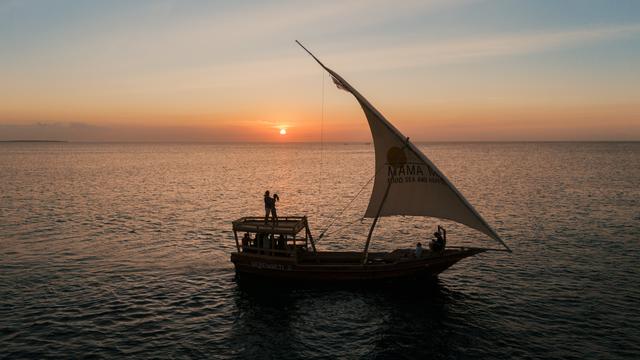
Few images capture Zanzibar’s essence like the silhouette of a traditional dhow against a sky ablaze with oranges and purples. Sunset cruises have become an essential component of the archipelago’s tourist offering, an experience deserving full understanding before embarking.
Historical Roots: From Commerce to Tourism
The waters surrounding Zanzibar have been a crucible of cultures and commerce for centuries. Dhows, traditional sailing vessels, weren’t mere transport vehicles; they were the nerves of trade between East Africa, the Arabian Peninsula and India. This maritime heritage bequeathed local populations deep knowledge of currents, winds and diurnal cycles.
With the 21st century’s tourism boom, dhows underwent metamorphosis. From transporting goods or serving fishing, they were reconverted for recreational experiences. The equatorial sunset was identified as a tourist “product” with high perceived value, and vessels adapted with passenger comforts: seating, awnings, catering services and musical entertainment.
The Standard Experience: What to Expect on Board
The dhow isn’t merely a vessel; it’s a cultural symbol. Its iconic silhouette against the setting sun has become an archetypal Zanzibar image. Routes are typically pre-established, designed to maximise twilight visibility, departing from Stone Town or tourist beaches and sailing towards open sea to avoid visual obstructions.
On board, light appetisers are habitually offered: fresh tropical fruits, small canapés. Drinks include water, juices and, occasionally, soft drinks or beer. Music sets the mood, often featuring local rhythms like taarab or bongo flava. Interaction with the crew, typically local sailors sharing anecdotes about history and geography, adds a layer of authenticity.
Budget vs Premium Options
The offering isn’t monolithic. At the basic end, budget cruises operated by small companies use older dhows with minimal services—water and some fruits—focusing on the visual sunset experience.
Premium options, offered by luxury resorts or specialised agencies, employ renovated vessels with superior comfort standards, elaborate gastronomic offerings, alcoholic beverages and more attentive service. Perceived quality and prices fluctuate with seasonality: during high season, greater demand can lead to oversupply and, occasionally, diminished attention to detail.
Recent Innovations
The tourism sector is dynamic. Recent adaptations include onboard cooking classes with Swahili dish demonstrations, or combining snorkelling or diving before sunset. Integration of modern sound systems and LED lighting for night navigation is also emerging, differentiating offerings to attract specific market segments.
Sustainability Considerations
Though apparently benign, sunset cruises aren’t exempt from ecological implications. Constant vessel movement, waste discharge and anchoring in sensitive zones can affect coral reefs and marine life. Traditional sail-propelled dhows are inherently more ecological, but many now incorporate auxiliary motors introducing carbon emissions.
Some operators have begun adopting more sustainable practices: onboard waste management, floating anchors that don’t damage the seabed, participation in mangrove reforestation or beach cleanup programmes. As travellers, preferring operators committed to sustainability can influence sector practices.
Socioeconomic and Cultural Impact
The sunset cruise industry generates employment for captains, sailors, food suppliers and musicians. However, wealth distribution isn’t always equitable, with benefits often concentrating among owners or intermediaries whilst ground-level workers receive modest wages.
A positive aspect is that the dhow’s viability as a tourist vessel has contributed to preserving traditional shipbuilding crafts. Dhow builders, once facing obsolescence against modern motorised vessels, found a new market—representing ingenious cultural adaptation.
More Than a Pleasant Sail
The sunset cruise in Zanzibar is a prism through which to observe the intricate relationship between tradition, tourism and sustainability. It’s not merely a pleasant sail, but a cog in the archipelago’s socioeconomic and environmental machinery.
When participating, you’re not only a twilight spectator but an actor in a broader narrative of change and adaptation. Recognising these nuances allows approaching the experience with profound understanding and informed appreciation, transforming it from a simple outing into a moment of meaningful contemplation.