by The Mora
Share
by The Mora
Share

A Fashion Journey Through Zanzibar’s Identity — Woven, Worn, Reimagined

Where Cultures Converge
In Zanzibar, identity is never singular. It is layered — like fabric. It moves with the rhythm of the ocean, carries the whispers of trade winds, and holds centuries of exchange between Africa, Arabia, India, and the Swahili coast.
Here, culture is not archived. It is lived.
On March 28, Rangi za Mora returns for its third edition — the first of the year — continuing its evolution as a platform dedicated to celebrating and supporting local creative talent. More than a fashion show, Rangi za Mora is an ongoing cultural dialogue: a space where designers, artists, and performers interpret Zanzibar’s layered heritage through contemporary expression.

Woven, Worn, Reimagined
This edition’s theme — “A fashion journey through Zanzibar’s identity — woven, worn, reimagined” — invites us to look closely at the textures that define the island. Not only in fabric, but in history. Not only in craftsmanship, but in movement.
Zanzibar has long been a crossroads of cultures. African traditions intertwine with Arab elegance, Indian ornamentation, Swahili craftsmanship, and coastal minimalism. These influences are not separate threads; they are interwoven, shaping an aesthetic language that feels both rooted and fluid.
Through texture and silhouette, through drape and detail, this edition explores how identity can be both inherited and reinvented — how what is worn can carry memory, and how what is reimagined can signal confidence in the future.
The Hands Behind the Vision
At the heart of this edition are the creatives shaping its narrative.
Among them is Nasreen Karim (@nasreen_karim), Founder and Creative Designer of Enjipa Jewelry (@enjipajewelry), a long-standing supporter of the platform since its first edition. Her work reflects the meeting point between tradition and modernity — pieces that echo artisanal heritage while embracing contemporary refinement. Her designs feel personal, storied, and quietly powerful.
Alongside her, designers including Waizpariswork (@waizpariswork), Asili by Naliaka (@asiliibynaliaka), Waazi (@Vaazi__), Mnazi Clothing Brand (@mnazi_zanzibar), and Ully’s Crochet (@ullys._) bring their own interpretations of Zanzibar’s evolving aesthetic identity.
Their work speaks through material as much as through silhouette.
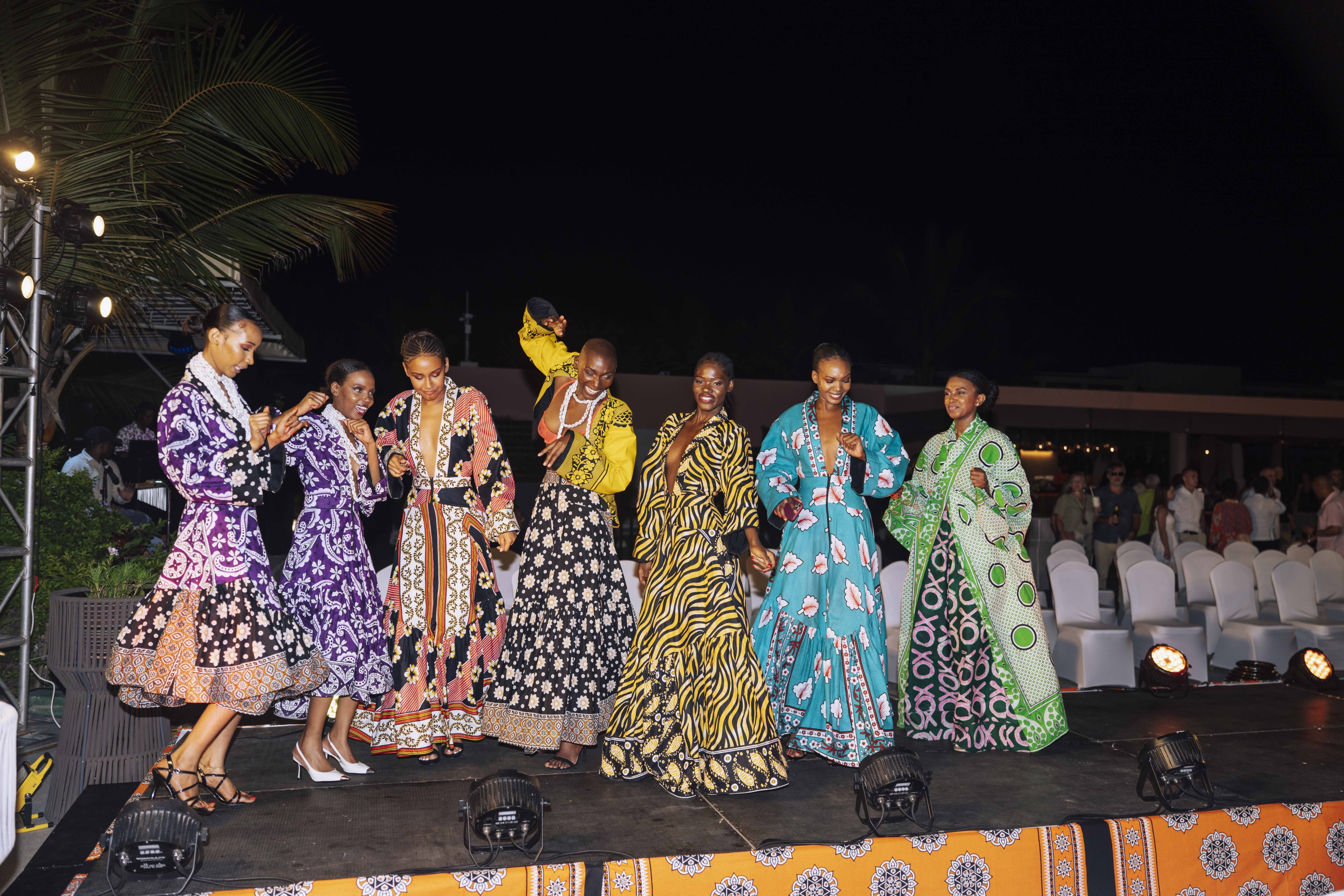
Wool and linen lend structure and softness. Cotton breathes with the island’s climate. Kanga and kitenge — fabrics deeply embedded in East African culture — carry patterns and messages that have long transcended fashion, functioning as expressions of community, celebration, and everyday life.
In their hands, these materials are not static references to the past. They are transformed. Cut differently. Layered unexpectedly. Elevated through movement.
This is where the essence of “reimagined” takes form.
Craft as Continuity
The runway becomes less about spectacle and more about translation — translating heritage into contemporary relevance. Translating memory into motion. Translating craft into conversation.
Rangi za Mora was conceived as a platform to create space — space for emerging and established creatives to be seen, supported, and celebrated. It encourages meaningful local collaboration, fostering connections between designers, artisans, performers, and the broader community.
Each edition builds upon the last, reinforcing that creativity here is not episodic, but continuous.
Importantly, Rangi za Mora is not a one-off moment. It is an evolving initiative that unfolds throughout the year, growing alongside the talent it nurtures. With every edition, another layer is added to the story — another dialogue between past and present.
A Story Still Unfolding
Within this context, fashion becomes more than clothing. It becomes storytelling.
A woven garment can carry ancestry. A reimagined silhouette can express modern confidence. A shared platform can strengthen a creative ecosystem.
At The Mora, supporting Rangi za Mora is a natural extension of a broader philosophy: celebrating place not as backdrop, but as living culture. By championing local creatives and amplifying their voices, the platform reflects a commitment to authenticity, collaboration, and creative exchange.
As the island continues to evolve, so too does its visual language. New generations reinterpret tradition without erasing it. They experiment without forgetting. They design not in opposition to heritage, but in dialogue with it.
Identity is not fixed. It is woven.
It is worn with intention.
It is endlessly reimagined.
In Zanzibar, the story continues to unfold.