
by The Mora
Share
by The Mora
Share
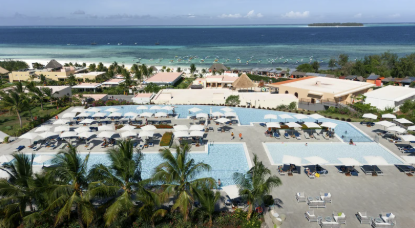
Increasingly, travellers seek experiences that enrich without damaging, that leave positive footprints rather than scars. Zanzibar, with its historic charm, white sand beaches and vibrant culture, presents an ideal canvas for ecological tourism. But how can families immerse themselves in this tropical eden in ways that honour its delicate ecosystem and benefit its communities?
The answer goes beyond choosing a hotel with solar panels. It’s about deep immersion in a travel philosophy that embraces responsibility in every decision.
Before the Journey: Planting the Seed of Sustainability
Crucial decisions begin before setting foot on Zanzibar’s sand. When searching for accommodation, criteria must extend beyond price and comfort to include the establishment’s environmental and social impact.
Prioritise hotels and resorts with recognised certifications such as Green Globe or EarthCheck, which validate waste management practices, energy savings and community support. Beyond seals, observe concrete details: do they use solar energy? Do they actively recycle? Do they source food from local suppliers? Do they offer product dispensers rather than single-use packaging?
A fundamental pillar is social impact. Seek hotels that employ local staff, train the community and contribute to educational projects. An establishment investing in local people sows prosperity alongside environmental care.
Minimising Your Carbon Footprint
The flight to Zanzibar already implies a carbon footprint, but measures exist to mitigate it. Consider the most direct route and explore certified offset programmes investing in renewable energy or reforestation projects.
Your suitcase becomes a symbol of your intention. Pack light to reduce fuel consumption and prioritise reusable items: water bottles, cloth bags, reef-safe sunscreens and solid toiletries that avoid plastic.
Cultural Immersion and Local Support
Stone Town, a UNESCO World Heritage Site, deserves exploration with reverence. Immerse yourself in its alleyways, visit local markets and admire its architecture, always respecting customs and residents’ privacy. Hiring certified local guides not only enriches the experience with deep knowledge but directly contributes to the local economy.
Prefer buying souvenirs from small workshops run by local artisans rather than large chains. Each purchase is a vote of confidence in their art and livelihood. Seek local restaurants to taste authentic Swahili cuisine: this connection through the palate also supports farmers and fishermen from the area.
Responsible Aquatic Activities
Zanzibar’s turquoise waters are a magnet, but their fragility demands attention. For snorkelling and diving, choose operators following responsible practices: no touching coral, no feeding fish, no anchoring on reefs, and educating participants about marine conservation. Your eyes can be cameras, but your hands must be guardians.
For dolphin watching, prioritise excursions with operators who avoid harassing these animals, who allow dolphins to approach of their own accord and who limit boat numbers. Activities like kayaking or paddleboarding offer non-motorised alternatives with minimal impact, allowing more intimate connection with nature.
Wildlife Encounters: Respectful Observers
Jozani Forest Reserve, home to the rare Zanzibar red colobus monkey, deserves a visit with local guides who reinforce the importance of maintaining distance and not interfering with habitat. If local conservation projects exist—turtle sanctuaries, reforestation programmes—consider contributing time or resources.
Resist feeding monkeys, birds or any wild animal. This alters their natural feeding patterns and creates human dependence, harming them long-term. Instil in children the importance of observing from distance, using binoculars and zoom cameras to approach visually without invading their space.
Leaving a Positive Legacy
Holidays can transcend personal enjoyment to become a positive force. Learn a few basic Swahili phrases (“Jambo” for hello, “Asante” for thank you): it’s a sign of respect that opens doors to meaningful interactions.
If suitable opportunities exist, dedicate a few hours to volunteering at a local school, a beach cleanup project or some community initiative. It’s not about changing the world in a day, but contributing your conscious grain of sand. Seek fair trade products and, if you encounter locally organised cleanup initiatives, join gladly.
The Journey Continues at Home
The return doesn’t mark the end. Share experiences and learnings about sustainable tourism with friends and family; informed word of mouth inspires others to travel consciously. Use the Zanzibar experience to educate your children about conservation, cultural respect and social responsibility.
Habits cultivated in Zanzibar—water and energy saving, waste reduction, supporting local products—can integrate into daily life. The trip is merely a catalyst for a more sustainable lifestyle overall.
In Zanzibar you’ll discover that true luxury doesn’t reside in opulence, but in authentic connection with nature and culture, and in the certainty that your passage through this paradise contributed to its preservation for future generations.