
by The Mora
Share
by The Mora
Share
Choosing the optimal moment for a family adventure is as crucial as charting a sailboat’s course. Zanzibar, near the equator, exhibits a tropical climate with two dry seasons and two rainy periods. Understanding these patterns is fundamental to determining when your family’s footprints will mark the island’s sands.
Long Dry Season: June to October
For many, this is Zanzibar’s golden season. Temperatures range between 25°C and 30°C with relatively low humidity. Days are consistently sunny, allowing full enjoyment of beaches and aquatic activities. Sea breezes act as natural air conditioning, preventing heat from becoming oppressive.
This period is ideal for outdoor activities with children: mornings building sandcastles, afternoons swimming and snorkelling, spectacular sunsets without worry of unexpected rain. Underwater visibility is optimal for reef exploration, and dhow sailing becomes more pleasant thanks to calm seas.
The trade-off: increased visitors elevate prices and reduce availability. Reservations must be made well in advance, especially for beachfront villas.
Short Dry Season: December to February
Though briefer, it shares similar characteristics. Temperatures often exceed 30°C, but rainfall scarcity remains a blessing. Clear skies offer uninterrupted stargazing at night.
This season coincides with Western winter holidays, meaning a more festive, animated atmosphere. Year-end festivities bring special events and contagious energy. For families enjoying vibrant environments, this can be an attractive option. Humidity is slightly more noticeable—something to consider if family members are sensitive to humid conditions.
Long Rainy Season (Masika): March to May
During this period, heavy monsoon rains fall as intense showers, though not always continuous. Often, mornings can be sunny, giving way to downpours in the afternoon or evening. Vegetation becomes lush, as if the island dons its finest green attire.
For families prioritising cultural immersion and tolerating occasional interruptions, this season presents unique opportunities. More time for exploring Stone Town, taking refuge in bazaars and museums when clouds open. Spice plantation tours are particularly rewarding, with plants at their peak splendour.
Undeniable advantage: drastic reduction in tourists and prices. Considerably cheaper accommodation and excursions, more intimate and authentic experiences, with locals more accessible for genuine interactions.
Short Rainy Season (Vuli): November to Early December
Less intense, with sporadic rainfall and brief afternoon showers. Can be an attractive transition season: a greener, less crowded Zanzibar without Masika’s intensity. Pleasant temperatures and manageable humidity.
For marine life enthusiasts, an interesting time: good period for sea turtle observation and, by early December, possible start of humpback whale migration.
Local Festivities: Cultural Colours
Zanzibar is predominantly Muslim. Eid al-Fitr and Eid al-Adha celebrations are significant events. Local families gather, don their finest attire, visit mosques and share special meals. Stone Town streets come alive with processions, music and dancing. A unique opportunity to observe and participate in authentic traditions, though some businesses may operate reduced hours.
In July, the Zanzibar International Film Festival (ZIFF) attracts filmmakers and artists worldwide. Film screenings (often outdoors), concerts, workshops and art exhibitions throughout Stone Town. Excellent way to introduce children to art and culture, though accommodation will be especially crowded.
Activities for All Ages
Nungwi, Kendwa, Paje and Jambiani beaches offer swimming, snorkelling, kitesurfing and kayaking. Remember that tides significantly influence swimming ability from some beaches at certain hours—a crucial factor for little ones.
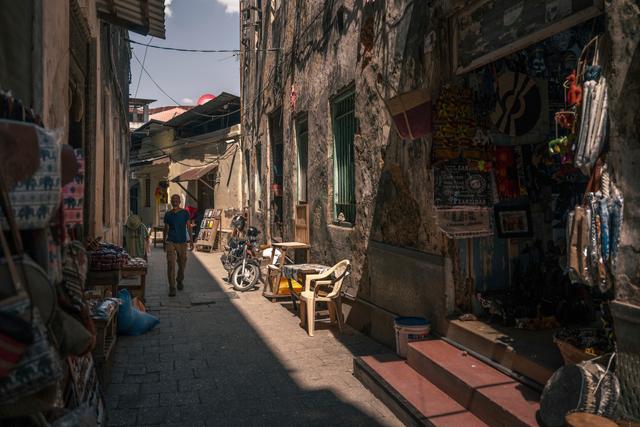
Stone Town offers a labyrinth of alleyways and bustling markets. A spice tour is a sensory experience where children can touch, smell and taste tropical spices. Jozani National Park allows red colobus observation. Prison Island houses centuries-old Aldabra giant tortoises that visitors can feed—an interactive, thrilling experience.
Health and Safety Considerations
Consulting your doctor before departure is fundamental for up-to-date vaccinations. Depending on origin, vaccines against yellow fever, hepatitis A and B, typhoid and tetanus may be recommended.
Zanzibar sits in a malaria risk zone: discuss prophylaxis with your doctor, use DEET-containing repellent, cover up at dusk, and sleep under mosquito nets.
To avoid stomach troubles, consume only sealed bottled or purified water, avoid ice of uncertain origin, opt for well-cooked, hot food. Fruits and vegetables should be peeled by yourselves or washed with safe water.
The equatorial sun is potent: broad-spectrum sunscreen SPF 30 or higher, wide-brimmed hats, sunglasses for everyone. Seek shade between 10 a.m. and 4 p.m.
Synchronising Clocks With Zanzibar’s Heart
The “best” time to visit Zanzibar with family is an equation balancing priorities with realities. If impeccable weather and guaranteed sunny days are paramount, dry seasons are your allies—but prepare for crowds and higher prices.
If you prefer friendlier prices and cultural immersion, rainy seasons offer a different, rewarding perspective. These periods reveal a more authentic Zanzibar, where nature greens and tourism is a softer part of the landscape.
Armed with this knowledge, you can plan an expedition not only meeting but exceeding expectations, leaving every family member with an indelible mosaic of memories from this Indian Ocean pearl.